
How to Feed a Baby Squirrel?
Feeding a baby squirrel requires special care and adherence to guidelines, as improper feeding can be fatal.
Before you start feeding a baby squirrel, there are specific steps you must follow, detailed HERE. Be sure to read this information thoroughly before beginning.
HOW TO PROPERLY FEED A BABY SQUIRREL?
If the mother does not return for the baby and dehydration has been addressed, it's time to start feeding. Never use cow’s milk, as it can be deadly for baby squirrels. Instead, obtain kitten milk replacer formula or powdered goat milk for puppies (not the liquid version). Wildlife rehabilitation centers often recommend formulas like Esbilac Puppy Milk Replacer, although it has recently been replaced by Fox Valley Day One formula, which squirrels tolerate better. However, if these are not available locally, kitten milk replacer or powdered goat milk is a good substitute. The formula should be warm but not hot or cold.
Begin by preparing the formula with one-third powdered goat milk and two-thirds hydration solution. Observe how the baby reacts; if it reacts well, you can switch to half milk and half hydration solution the next day. The day after that, follow this schedule:
Transition Formula Schedule:
First two feedings: Mix two parts of goat milk mixture with one part dehydrated kitten milk (2:1).
Next two feedings: Mix one part of goat milk mixture with one part dehydrated kitten milk (1:1).
Final two feedings: Mix one part of goat milk mixture with two parts dehydrated kitten milk (1:2).
Subsequent feedings: Feed with full-strength dehydrated kitten milk (or Fox Valley Day One formula if available).
Use small insulin syringes (1cc) with a small nipple on the end. Be very careful not to allow any air into the syringe during feeding. Always expel any air from the syringe before feeding the baby. Swallowing air can be very dangerous and potentially fatal. If the nipple is too large, direct feeding from the syringe might be better.
PREPARATION AND HANDLING:
The formula should always be freshly prepared. Do not reheat it in the microwave, boil, or quickly heat it on the stove, as this destroys its nutrients. Warm the formula by placing the container in a bowl of hot water until it reaches a warm, comfortable temperature. Check the temperature with your finger – it should be warm but not hot. Remove the container from the hot water once it's at the right temperature and begin feeding.
HOW OFTEN TO FEED AND HOW MUCH TO GIVE?
The frequency of feeding depends on the age of the baby squirrel. Therefore, determining the baby’s age is crucial. More information on determining age can be found HERE.
Generally, the feeding rule is to give 5% of the baby’s body weight in formula. For example, if the baby weighs 100 grams, give 5 ml of formula.
0 to 1 week old (10 to 20g): Feed every 2 to 3 hours, including at night. The baby sets the pace, do not force-feed. Amount: 0.2ml to 0.5ml per feeding.
1 to 2 weeks old (20 to 40g): Feed every 3 hours. Amount: 0.5ml to 0.75ml per feeding.
2 to 3 weeks old (40 to 60g): Feed every 4 hours. Amount: 1ml to 1.5ml per feeding.
3 to 4 weeks old (60 to 80g): Eliminate night feedings. Feed at 11 PM, then at 5-6 AM. During the day, feed 3 to 4 times. Amount: 2ml to 4ml per feeding.
4 to 5 weeks old (80 to 120g): Feed at 11 PM, then at 7-8 AM. During the day, feed 3 to 4 times. Amount: 4ml to 6ml per feeding.
5 to 7 weeks old (120 to 160g): Introduce small pieces of walnuts, hazelnuts (peeled), apple, carrot, and banana alongside milk. Ensure to provide water in the cage. Amount: 3 feedings per day, 6ml to 8ml per feeding.
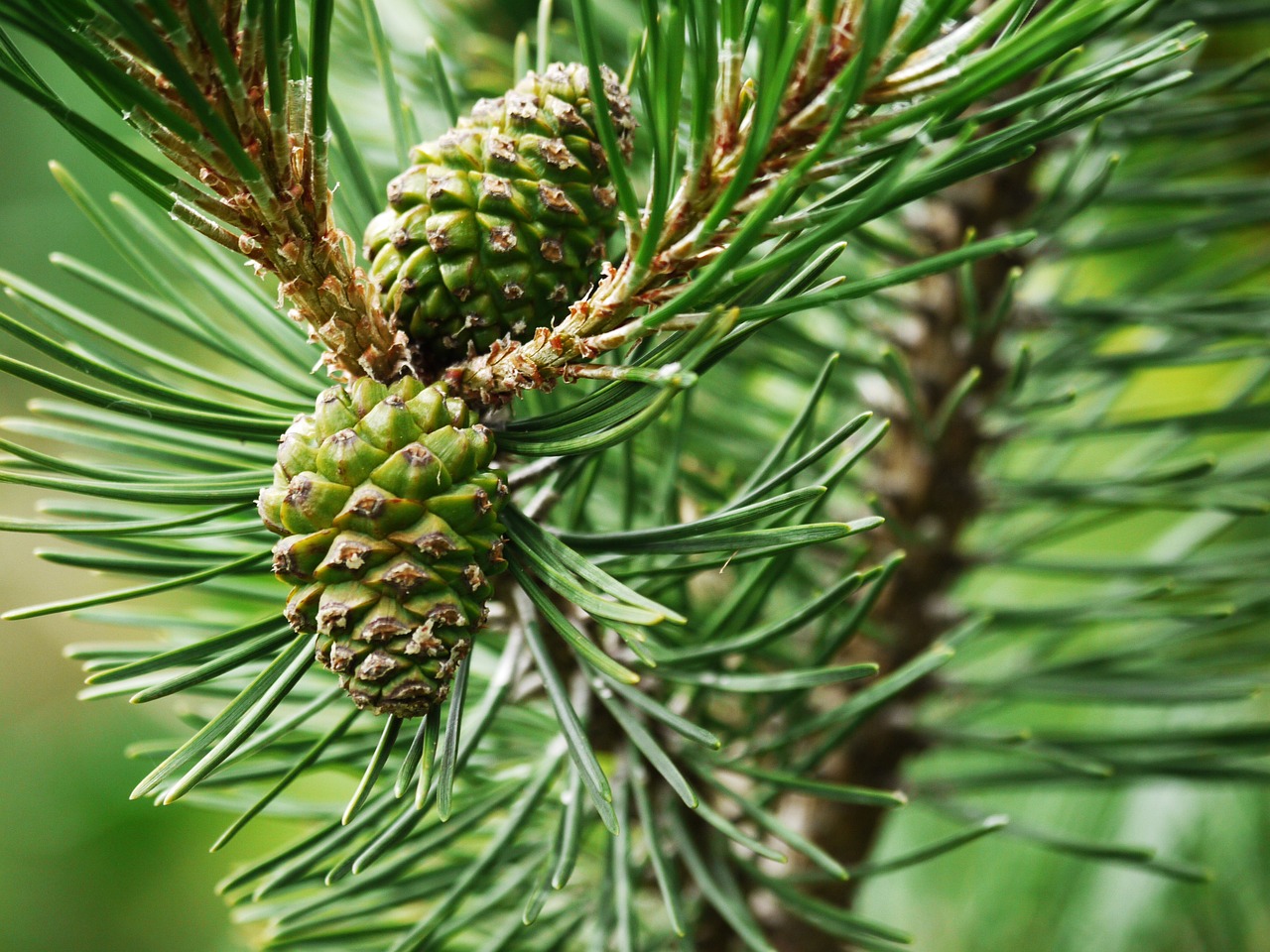
7 to 8 weeks old (160 to 240g): Add spinach leaves, celery leaves, broccoli, green salad leaves, pine nuts (in shell), peeled almonds, sunflower seeds, and green cones.
You can now install a water bottle designed for hamsters onto the cage, from which the squirrels will drink water. This is because they will constantly tip over a bowl of water while jumping around in the cage.
Feed them milk 2 to 3 times a day, 8 to 10 ml per feeding. If they start eating less on their own, don't force them to eat more. Often, when squirrels begin to eat solid food, they have less need for milk.
From 8 to 10 weeks of age (baby weighing 240 to 400g): Continue feeding them the same solid foods as those introduced at 7 to 8 weeks. Additionally, you can offer a variety of seasonal fruits such as persimmons, peaches, apricots, strawberries, raspberries, blueberries, blackberries, pears, and similar fruits. Avoid giving them sour or citrus fruits. Provide milk 1 to 2 times a day, 8 to 10 ml per feeding, or less if they prefer.
From 10 to 12 weeks of age (baby weighing 400 to 600g): At this stage, the babies usually wean themselves off milk and transition entirely to solid food suitable for adult squirrels. Let them stop drinking milk on their own; do not force them to stop if they still want it. For information on what to feed adult squirrels, refer to the appropriate guidelines.
AFTER EACH FEEDING
Gently massage the baby’s stomach clockwise and the anal area with a piece of cotton until the baby urinates or defecates. Baby squirrels cannot urinate or defecate on their own. This usually takes a few minutes but is crucial to prevent toxicity and death. Normal urine is clear or pale yellow. Stool should be small, dark sticks. If the stool is yellow, watery, or foul-smelling, it indicates diarrhea. How to handle diarrhea is detailed HERE.
Stomach massage is typically needed until about 7-8 weeks of age.
ADDITIONAL GUIDELINES
Hand hygiene: Wash your hands with warm water before handling the baby squirrel. Avoid scented soaps and lotions, as squirrels are sensitive to smells.
Cleanliness: Wipe the squirrel’s mouth with a paper towel after each feeding to prevent hair loss around the mouth.
Sanitation: Clean the syringe and container with warm water after each feeding to prevent fungal infections. Replace the syringe every five days. If feeding multiple squirrels, use separate syringes for each.
By following these guidelines, you can ensure that the baby squirrel gets the best possible start. However, always consult with a veterinarian or wildlife expert to provide the best care for the baby squirrel.
ABOUT US
HEALTH CENTER HARMONY
Association for the Protection of Health,
Nature and Red Squirrels
POREČ - ISTRIA
We have been active since 2006.
© Health Center Harmony 2006-2026
NOTE: All information provided on this page is educational. For specific needs concerning squirrels, please consult a veterinarian or a wildlife protection center.
95% of the photos are taken by Conny & Dražen, with the remaining images by Graziella Mureta and Geert Weggen and licensed photos from Pixabay, Stock, and Shutterstock.