
How to Properly Feed Squirrels During Rehabilitation
Before you decide to provide shelter and food for squirrels, it’s important to note that in many countries (including the entire EU), it is illegal to keep wild animals without proper permits. Therefore, it is best to consult with a veterinarian and wildlife protection organizations to find out what you need to do and how you can legally help them.
If a squirrel is injured or severely malnourished, it is best to contact experts at wildlife rehabilitation centers or a veterinarian if such centers are not available. They have the necessary experience and resources to care for these animals. However, if you are confident that you can help the squirrel and do not have access to a rehabilitation center, here are some guidelines on how to do it properly.
Food for Baby Squirrels
If you find a baby squirrel, it is crucial to follow precise instructions, as otherwise, it may not survive. Therefore, be sure to first read these articles:
What to Do If You Find a Baby Squirrel
Common Mistakes When Raising a Baby Squirrel
Food for Adult Squirrels in Rehabilitation and Babies who Stopped Eating Milk
Squirrels are wonderful creatures that require attention and proper nutrition during the rehabilitation process. It is essential to provide a balanced diet that includes proteins, fats, vitamins, and minerals, especially calcium. Here are guidelines on how to feed squirrels during their rehabilitation:
Squirrel Blocks
Squirrel blocks are an essential part of their diet as they provide necessary nutrients, especially when natural food may be scarce or insufficient. These blocks are usually formulated to contain a variety of nutrients such as vitamins, minerals, proteins, and fats necessary for maintaining squirrel health.
Two small blocks a day should be given to squirrels in captivity, but be very careful about which blocks to use, as there are many rodent blocks or blocks for other types of squirrels that are not suitable for red squirrels. Therefore, it is best to make them yourself.
Recipe at the end of the text.
The best blocks available for purchase are produced in the USA and are not available here. You can only order them online, but I recommend making them yourself, as it can take 3-4 weeks for them to arrive.
https://henryspets.com/healthy-blocks-food-for-squirrels-flyers-rats-and-mice/
Vegetables Rich in Calcium and Minerals
5-7 small pieces daily. Includes: arugula, celery root and beetroot, celery and beet leaves, dandelion leaves, carrot (root), endive, radicchio, kale, parsley, Brussels sprouts, spinach, Swiss chard, watercress, and others. This will provide part of the required amount of calcium for healthy bones as well as many vitamins and minerals.
Other Healthy Vegetables
2-3 pieces daily. Includes broccoli, cucumbers, zucchini, and tomatoes (though a fruit, often treated as a vegetable). Avoid dry vegetables, corn, garlic, onions, peppers, and potatoes. Ensure the vegetables are organic – not treated with chemicals. Always peel and wash vegetables before giving them to the squirrel.
Wild Food
Unlimited during the season. Squirrels love to eat green cones, twigs, and pine bark, as well as rose flowers from your garden. Make sure the area is not treated with chemicals. Leaves and buds from different trees provide squirrels with vitamin resources. Depending on the type of tree, leaves can contain vitamins such as A, C, and K, as well as minerals like calcium and potassium.
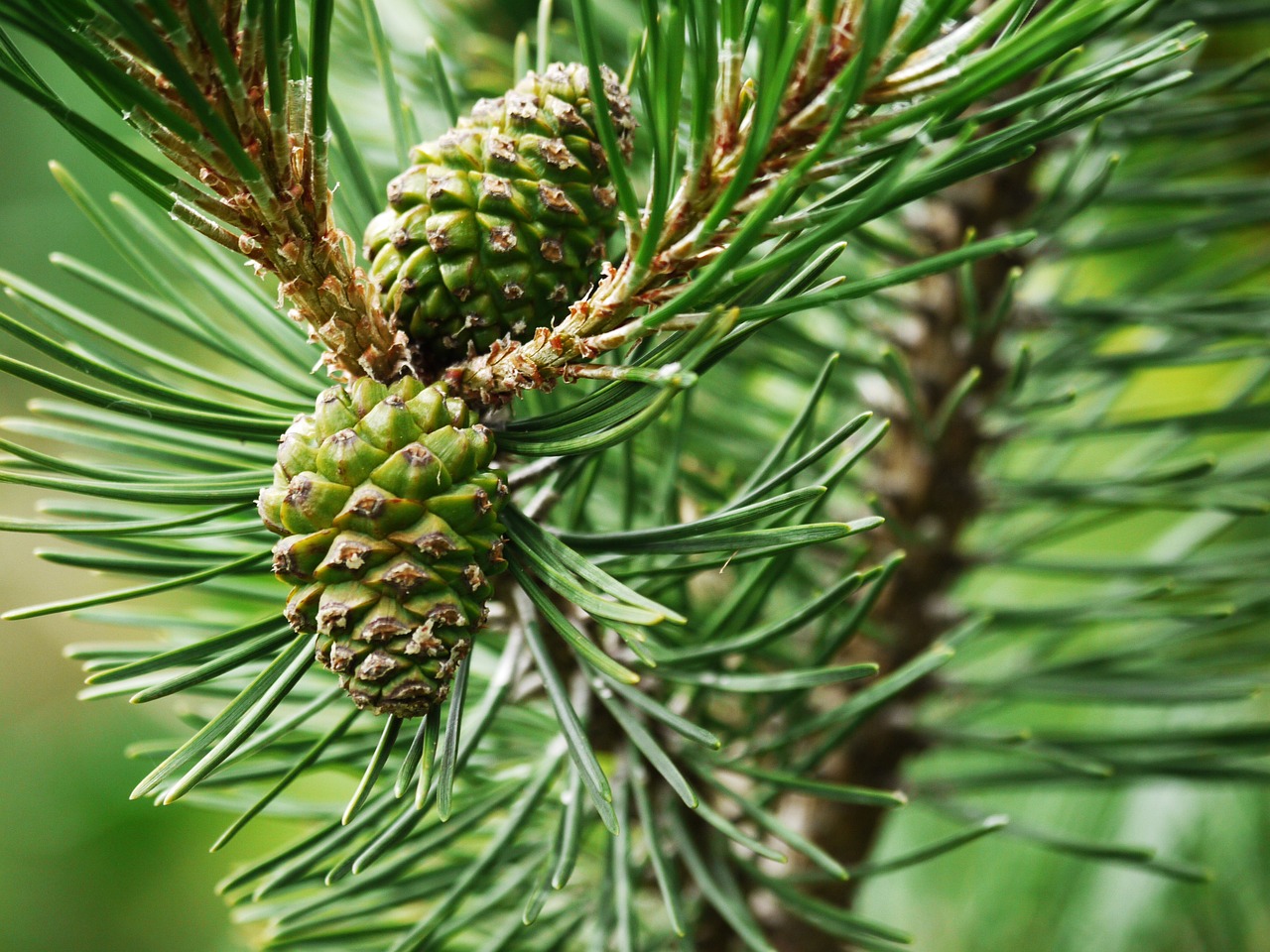
Cones should be green and freshly picked from pine trees, not brown and open cones from the ground as these may be old and lack nutrients. Green cones are a primary diet in the wild, providing fiber, vitamins, and minerals. The resin on them has antibacterial and antimicrobial properties that boost immunity and fight inflammation. Green cones – not brown and open ones – are essential. See the image for reference.
Tree Bark
Tree bark provides various nutrients and minerals that help balance pH levels in their bodies, essential for squirrel health. It contains sugars and carbohydrates, important energy sources. The bark also has tannins with antifungal properties, aiding in disease defense. Calcium stored in the tree’s phloem provides the necessary amount. Calcium levels in trees rise after winter dormancy, coinciding with the time female squirrels conceive and give birth. Mother squirrels especially eat tree bark during lactation to ensure enough calcium for their young's bone development.
In autumn, when squirrels consume phosphorus-rich seeds, their need for calcium increases, leading them to eat more bark. Besides containing calcium, the bark is covered in calcium-rich algae. Algae, lichens, and mosses, which inhabit tree bark (the greenish hues on trunks), are not parasitic and do not harm the trees. Thus, tree bark in nature is a crucial calcium source for squirrels.
https://www.sciencedirect.com/science/article/pii/S0378112716300421
It's important to provide fresh-cut pine branches (Pinus pinea) with twigs, needles, and preferably green cones. If unavailable, branches of beech, willow, or apple can suffice. Do not give cedar, ivy, oak, or yew branches.
Beyond nutritional value, squirrels need twigs to gnaw on due to their continuously growing teeth, similar to human nails.
Fresh Seasonal Fruit
2-3 slices daily. Squirrels enjoy fruits like apples, bananas, blueberries, watermelon, blackberries, raspberries, persimmons, pears, peaches, and apricots. Avoid dates, dried fruit, figs, fruit juice, plums, and raisins.
Nuts and Seeds
Two to three pieces daily, preferably with the shell, to help with their teeth. The healthiest are walnuts, hazelnuts, and almonds*. Ensure to peel the almond skin for young squirrels. They can also be given pecans, chestnuts (sweet, not horse), and pistachios. Peanuts should be given sparingly, as they are "junk food" for squirrels but can be offered occasionally as a treat.
For seeds, pine nuts (preferably unprocessed in-shell), sunflower seeds, pumpkin seeds (unsalted), chia, and sesame seeds are suitable. Avoid cashews, dried corn, seeds processed for birds, etc.
*There is much discussion and misinformation about almonds being toxic to squirrels. Almonds are healthy for squirrels as they are rich in nutrients like fats, proteins, and fiber, providing essential energy. However, give almonds moderately, as an occasional treat – no more than 2 pieces daily. They should not be a mainstay of their diet as excess fat can cause health issues. Ensure almonds are unsalted and unroasted as additional salt and oil are harmful.
Vitamins and Minerals
According to various veterinarians, squirrels in captivity need a dose of multivitamins for rodents in their drinking water twice a year (spring and autumn). Consult your veterinarian for recommendations on type and dosage – do not attempt this on your own.
Mushrooms
Occasionally, during winter, you can give squirrels small amounts of mushrooms that you are sure are not toxic. This adds variety to their diet, as they would occasionally eat mushrooms in the wild during winter.
Never Give Squirrels This Food
Avoid: packaged "squirrel food" products, salted seeds, starchy foods like pasta, bread, and potatoes, snacks, biscuits, popcorn, sugary products, citrus seeds, and avocado, raw eggs, dog and cat food, legumes like beans, juices, teas, artificial flavors, and sweeteners, worms, and meat in general.
Sunlight
It is also important to provide squirrels with natural sunlight during warm months to ensure they get vitamin D and maintain good health. Keeping a healthy weight is also crucial to prevent various health problems. Your squirrel should look like the healthy wild squirrels in your area. Therefore, expose them to the sun (morning or late afternoon) twice a day for an hour each time.
Conclusion
For a squirrel to be healthy, their diet must be varied and balanced, giving a little of everything to ensure a comprehensive intake. Try to feed the squirrel as closely as possible to how it would feed itself in the wild.
Caring for squirrels and ensuring their well-being can be a fulfilling experience. However, it is important to remember that squirrels are wild animals that should be respected and protected. If you find yourself in a situation where you need to help them during rehabilitation, pay close attention to their dietary needs, follow proper feeding guidelines, and consult experts whenever possible.
Good luck with your efforts to care for these wonderful animals and contribute to nature conservation!
RECIPE FOR SQUIRREL BLOCK
HEALTHY BLOCK FOR SQUIRRELS
There are many recipes for making healthy blocks for squirrels, and this is one of the better ones.
Ingredients:
3 cups almond and spelt flour (2/3 spelt flour and 1/3 almond flour)
1 cup mixed nuts (walnuts, hazelnuts, almonds, pecans)
Two handfuls of seeds (pumpkin, sesame, chia, sunflower) – total two handfuls, not two handfuls of each seed
Two cups of juice from: apples, carrots, beets, celery, blueberries (equal ratio of fruit and vegetables)
1 baking powder
Brewer’s yeast – 1 teaspoon
Alfalfa (organic powder) – 5-6 crushed tablets or one teaspoon
Vitamin C powder from one 500mg capsule
Minerals: KAL Dolomite powder (calcium/magnesium) – two teaspoons
¼ teaspoon Himalayan iodized salt
2 tablespoons olive oil
Preparation:
In a bowl, mix flour, baking powder, brewer’s yeast, salt, Kal Dolomite powder, alfalfa powder, and vitamin C powder. Mix well to ensure all ingredients are evenly distributed.
Grind walnuts, hazelnuts, almonds, pecans, and pumpkin seeds in a grinder. After grinding, mix them with sesame, sunflower, and chia seeds.
Combine the nuts and seeds with the flour mixture. Mix everything well until it becomes evenly blended.
Mix the olive oil with the juice and slowly add this liquid to the dry mixture. Mix everything together until it forms a soft, sticky dough.
Place parchment paper on a baking sheet and spread the mixture evenly to a thickness of 1cm.
Bake in a preheated oven at 96°C for 1 hour, on the middle rack, with the fan on, heated from top and bottom. After an hour, remove and flip, then bake for an additional 30 minutes. Do not bake at temperatures higher than 96°C to preserve the vitamins.
When done, let it cool completely and cut into 2x2cm squares. Store six pieces in the fridge (per squirrel) – enough for 3 days, and the rest in the freezer. Each squirrel should eat 2 pieces a day.
The block should be at room temperature; do not give it straight from the fridge. Let it warm up a bit to room temperature first. Do not microwave or reheat in any other way.
ABOUT US
HEALTH CENTER HARMONY
Association for the Protection of Health,
Nature and Red Squirrels
POREČ - ISTRIA
We have been active since 2006.
© Health Center Harmony 2006-2026
NOTE: All information provided on this page is educational. For specific needs concerning squirrels, please consult a veterinarian or a wildlife protection center.
95% of the photos are taken by Conny & Dražen, with the remaining images by Graziella Mureta and Geert Weggen and licensed photos from Pixabay, Stock, and Shutterstock.